Watercolour, acrylic, oil and gouache, plus the brushes, palettes, knives and mediums that make them behave. Student and artist quality, from single tubes to starter sets.
Four kinds of paint, and the kit that goes with them.
Pans, tubes, sets
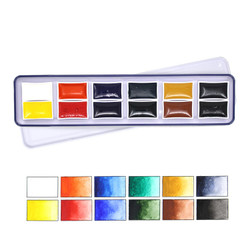
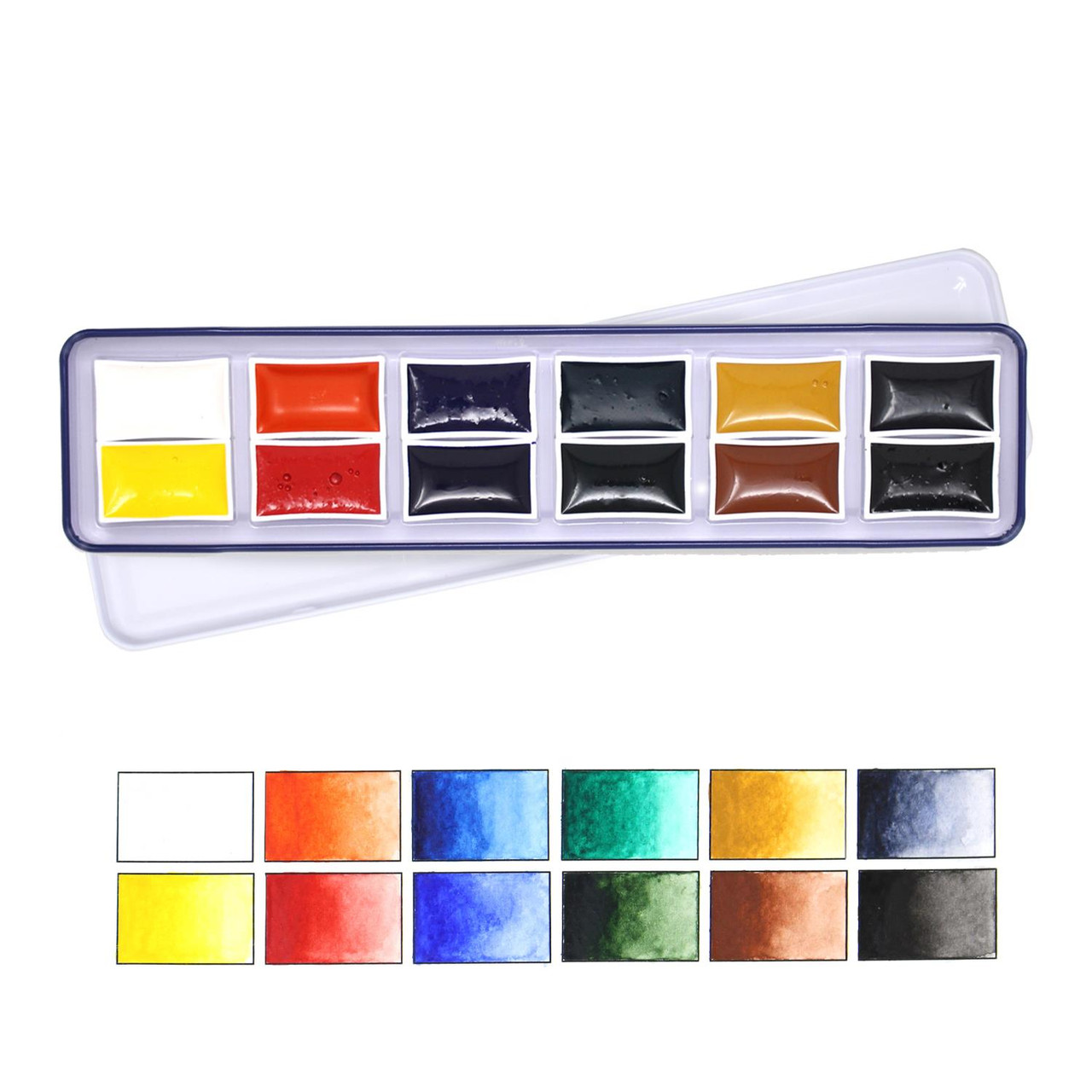
High-pigment full pans and half pans, travel tins and a pocket box, plus a metallic shimmer range. Our own paint, blended to a formula we've adjusted more than once.
Slow drying, deep colour
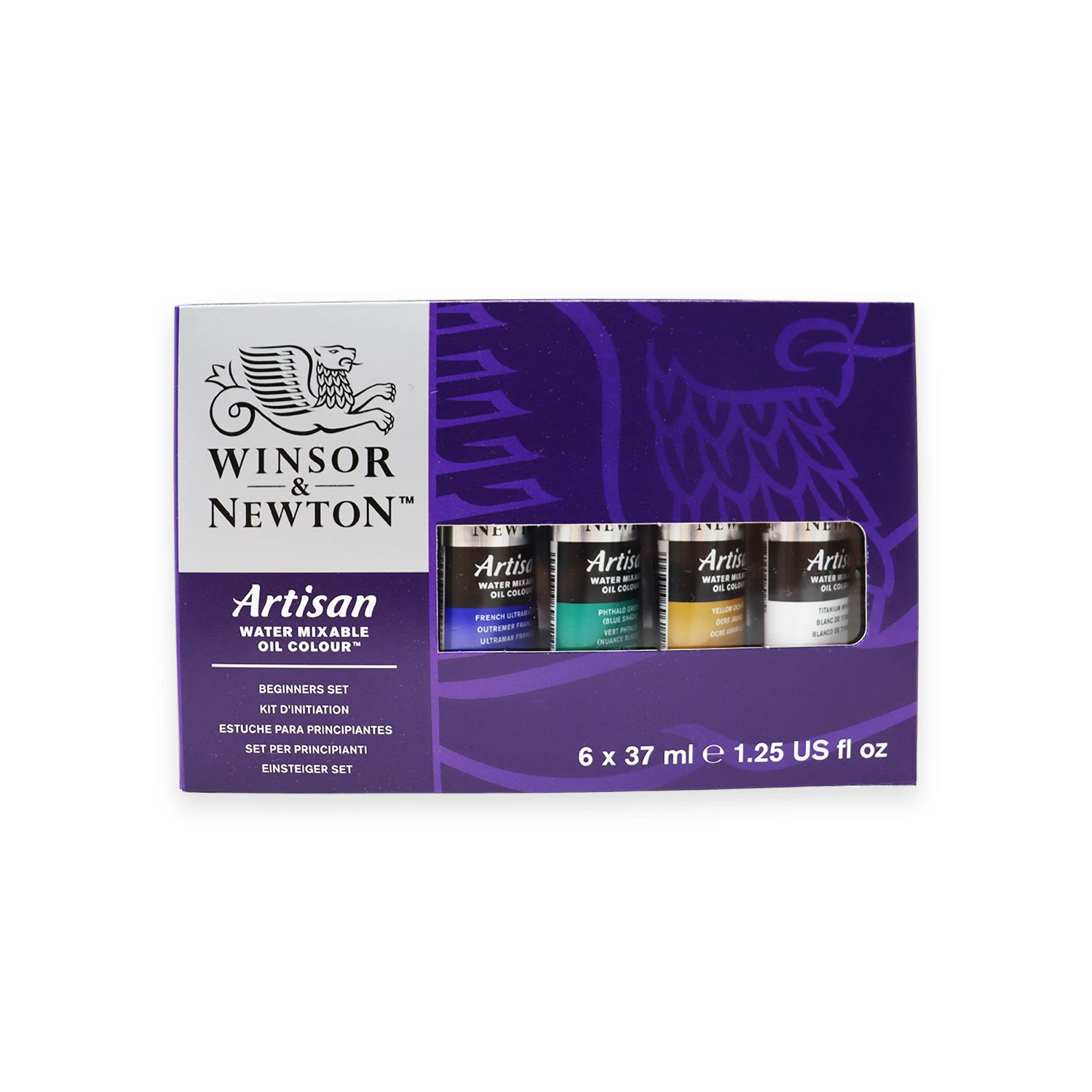
Mostly water-mixable oil, led by Winsor & Newton Artisan: the same handling and depth as traditional oil, but it cleans up with water, which matters if you work at a kitchen table. The one true solvent-based oil we still stock is on clearance.


Mixing and modifying
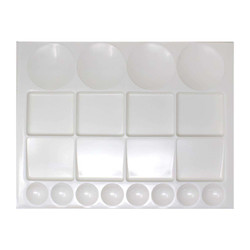
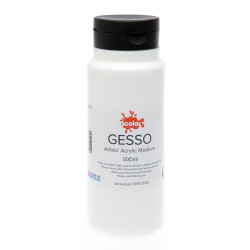
Mixing palettes with deep wells, tear-off paper palettes, palette knives, gesso, impasto medium and masking fluid.
The same range, sorted how you prefer.
Watercolour is transparent, and it works by letting the white of the paper show through. You build up in layers, and you can't really go lighter once you've gone dark. Pans are convenient and travel well; tubes give you stronger, fresher colour for big washes.
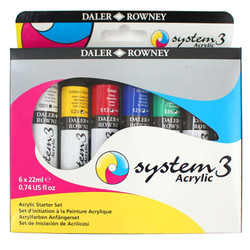
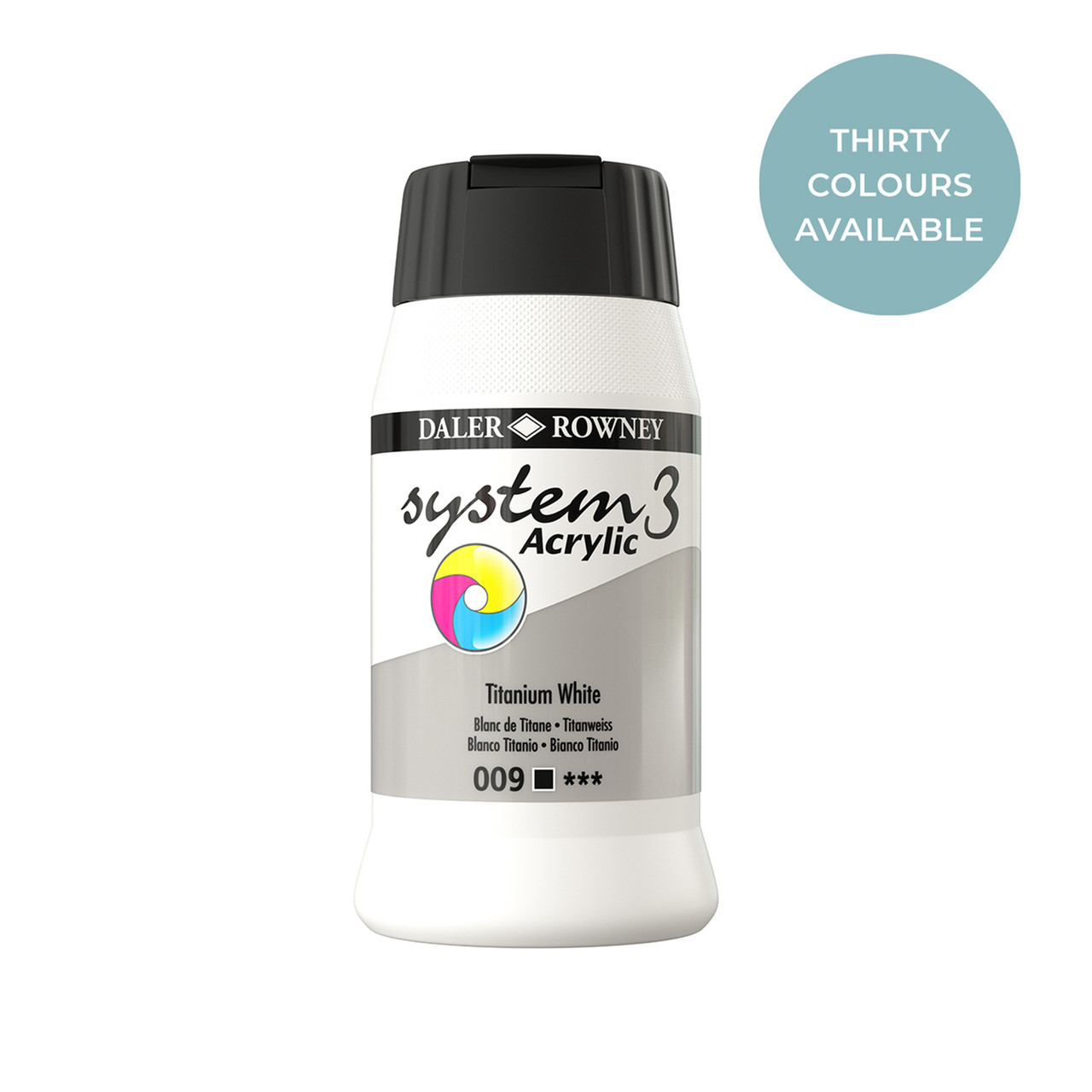
Acrylic is the most forgiving paint there is. Water-based, dry in minutes, and waterproof once dry, so you can paint straight over a mistake. It sticks to paper, board, canvas, wood and most primed surfaces. If you don't know where to start, start here.
Oil stays workable for days, which is exactly why people love it and why beginners find it maddening. Nothing else blends like it. Water-mixable oils handle the same way but clean up with water and need no solvents, which makes them much easier to live with at home.
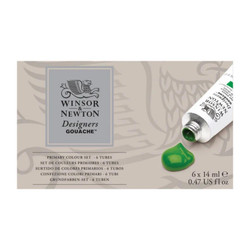
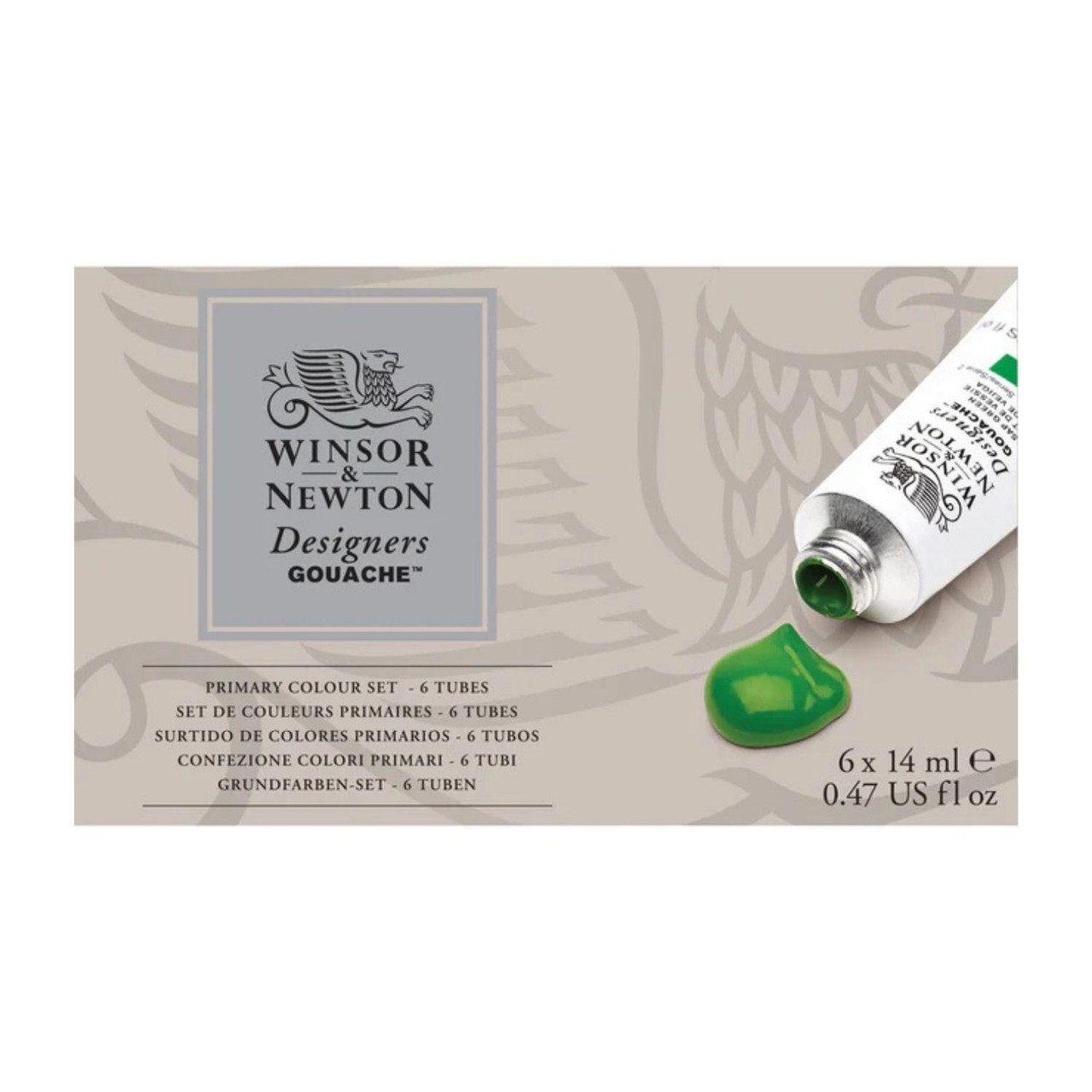
Gouache is opaque watercolour. Flat, matte, and it dries to an even block of colour with no shine, which is why illustrators and designers reach for it. It rewets on the palette, so what's left over isn't wasted.
On brushes. Synthetic fibres are springy and hold a point, which suits acrylic and detail. Hog hair is stiff and carries a lot of paint, which suits oil and impasto. Natural soft hair holds the most water, which is why watercolourists use mops and quills. Wash them properly and they will last years.