Bookbinding, gilding, clay, modelmaking and textiles, plus the cutting, sticking and taping that every one of them needs. This is the hands-on corner of the studio, where things get made by hand.
Five disciplines, and the tools they share.
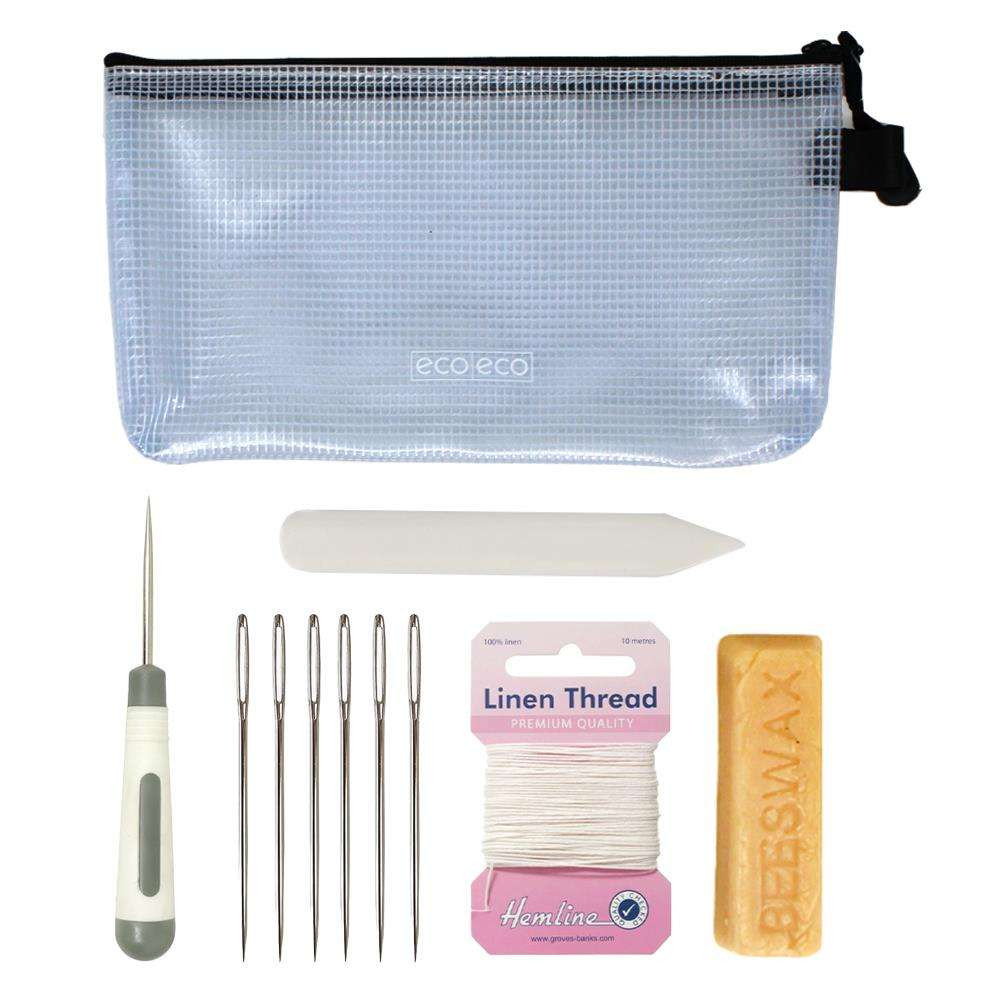
Sewing, casing, covering
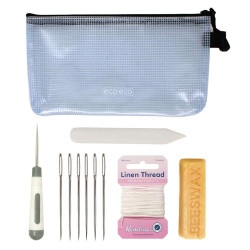
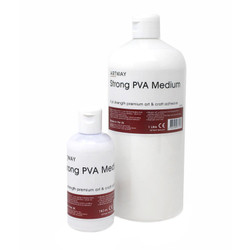
Linen thread, blunt bookbinding needles, bone folders, greyboard for the covers and a PVA that dries flexible instead of brittle. There's a kit with all of it in one storage bag.
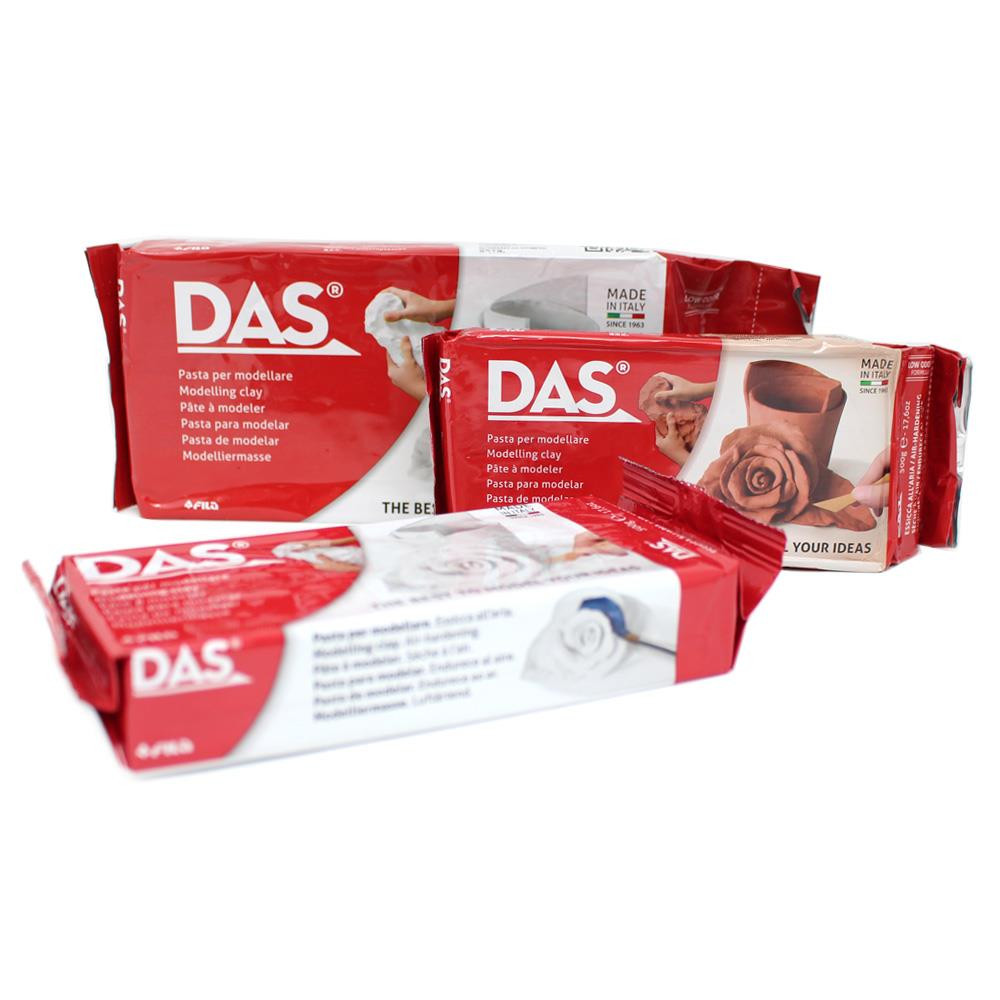
Air-dry clay, plaster, tools
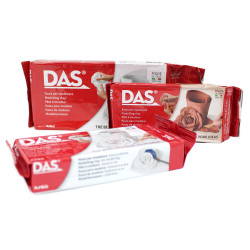
DAS and Scola air-drying clay that firms up on its own in a day or two, with no kiln to fire. Plus coloured modelling clay, plaster of Paris, modroc and a pottery tool kit.
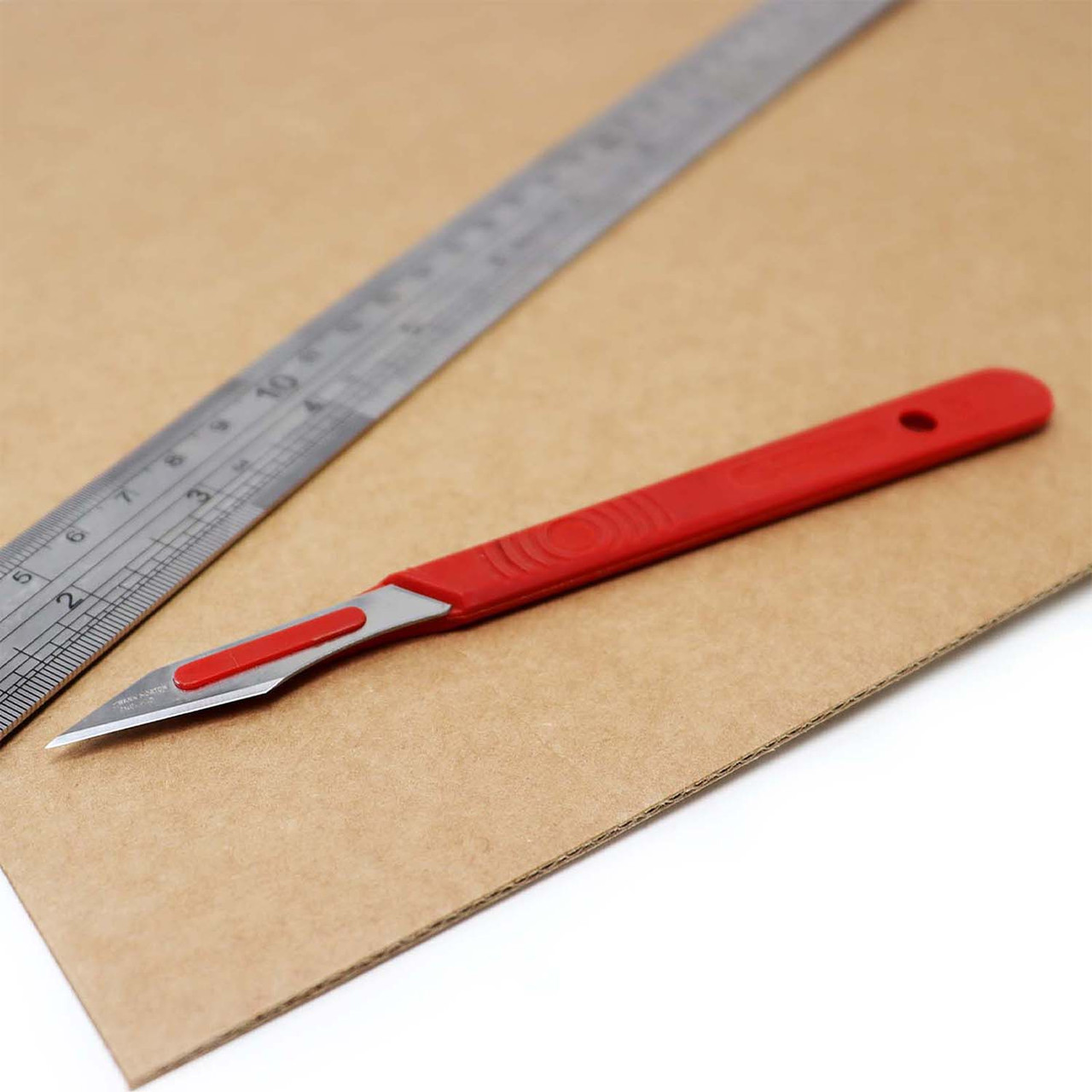
Architecture, sets, props
Corrugated card, foam board, modelling and florist wire, pliers and a toolbox to keep it all in. For the boards themselves, head over to Paper & Card.

Haberdashery and dressmaking
Tailor's chalk, dressmaking scissors, pins, needles, seam rippers, tracing wheels, thread and tape measures. Hemline, Whitecroft, Kleiber and Janome.

The tools every project needs
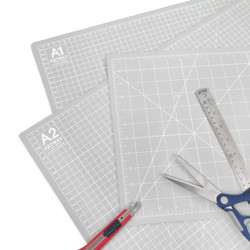
Swann-Morton scalpels and blades, craft knives, self-healing mats, PVA, UHU, Pritt, glue guns and the full tape range from low tack masking to gaffer.
The same range, sorted how you prefer.
What goes into a hardback book. Surprisingly little: greyboard for the covers, cover paper or cloth, linen thread, a needle with a blunt point, a bone folder for sharp creases, and a PVA that dries flexible rather than brittle. All of it is on this page, and if you'd rather not gather the list yourself, the kit has it packed into one bag.
Air-dry clay or kiln clay. Air-dry hardens in the open air over a day or two, with no kiln and no glaze firing. It won't hold water afterwards, so it suits sculpture and models rather than mugs. For schools and for working at home, it takes away almost every barrier.
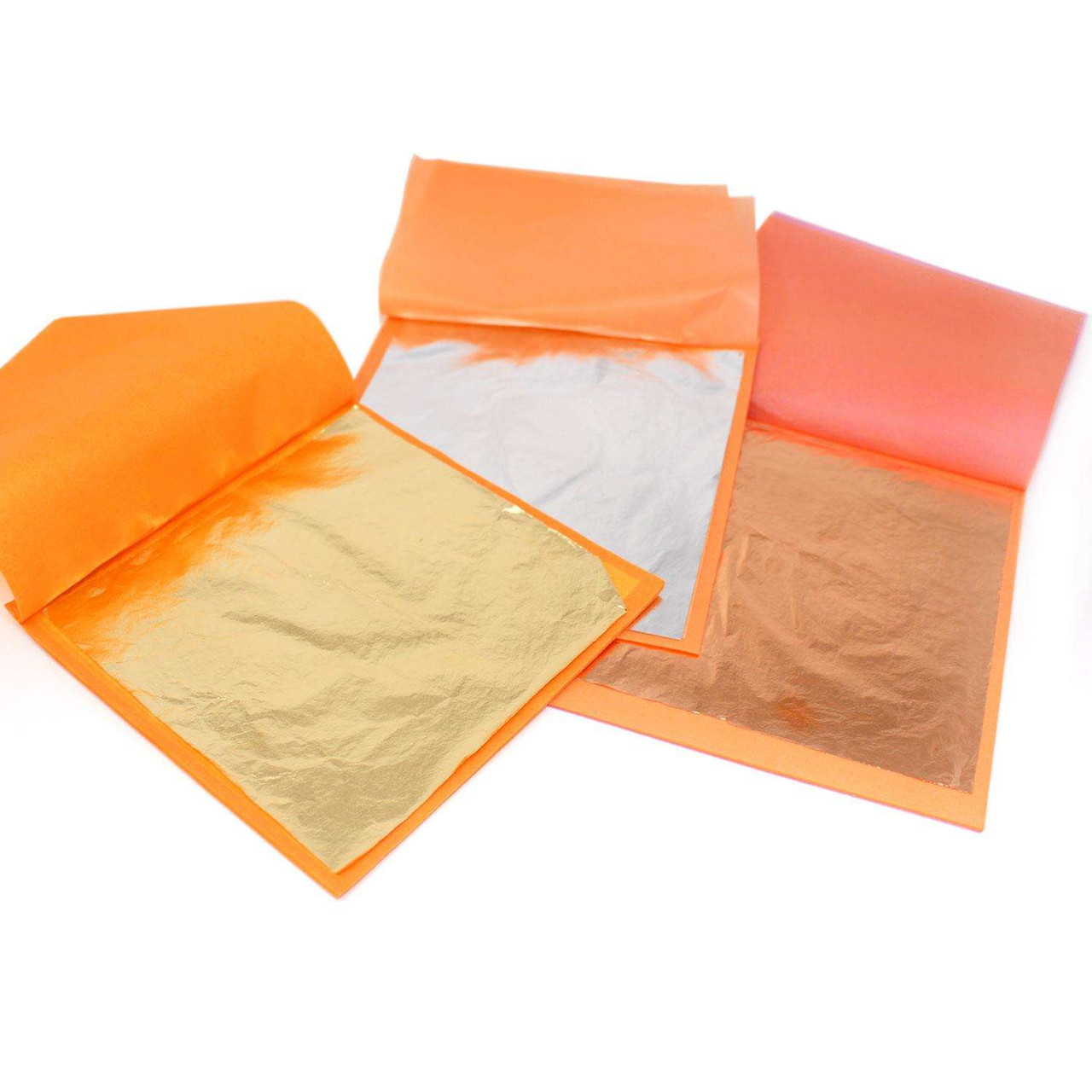
Gilding is easier than it looks. Brush size adhesive onto the surface, wait until it goes tacky, lay the leaf on and press it down with a soft brush. Imitation leaf costs a fraction of real gold and behaves almost the same. Seal it with shellac and it stays bright.
Keep a fresh blade in your scalpel. Scalpel blades are thin, sharp and disposable, which makes them ideal for fine, precise cutting. Change the blade far more often than feels necessary, since most bad cuts happen with a blunt one, when you end up pushing harder than you should.
Glue matters more than people think. PVA for paper, card and wood, and it's what bookbinders use. UHU for plastics and mixed materials. Glue sticks for temporary paper work. Hot glue for structure and speed. Spray mount for even, repositionable coverage on large flat areas, and always somewhere ventilated.