Know Your Nibs: A Practical Guide to the 5 Lino Cutting Tool Nibs
20th Mar 2026
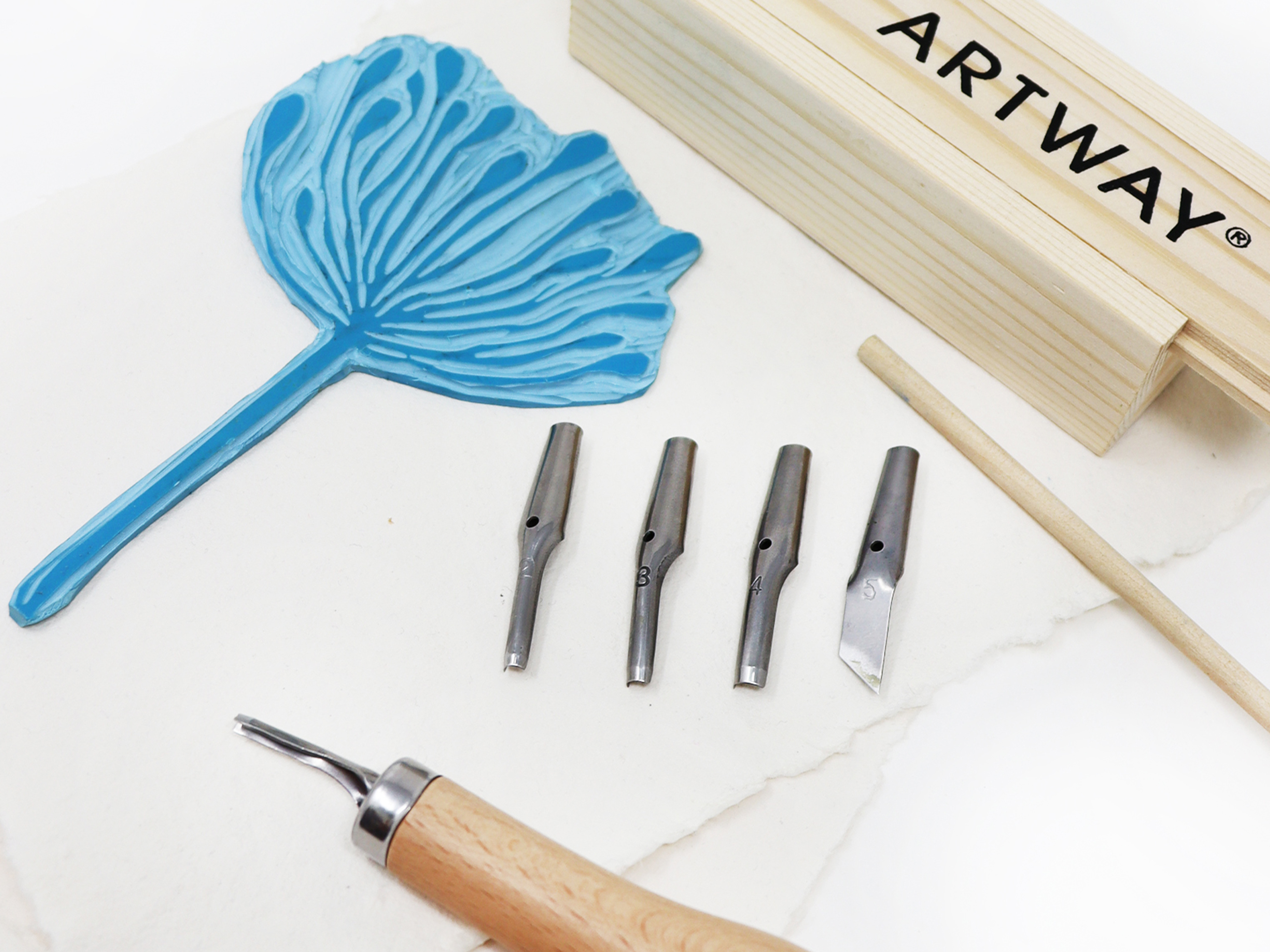
If you've just picked up our lino cutting tool set (or you're thinking about it), you might be staring at those five nibs wondering which does what. Each one is shaped for a different purpose, and once you understand that, everything about lino cutting becomes clearer and more enjoyable.
This guide walks you through all five nibs: what they look like, what marks they make, and exactly when to reach for them. Whether you're carving your very first lino block or looking to get more from a set you already own, hopefully this will be a useful reference to have nearby.
Why the Right Nib Makes All the Difference
Lino cutting is one of the most forgiving printmaking techniques. You don't need specialist equipment, a printing press, or years of experience to get great results. But using the wrong nib for a job makes the work harder than it needs to be, and can leave marks on your block that weren't part of the plan.
Each nib in the set is shaped to cut a different kind of line or area. Understanding the differences means less guesswork, fewer slips, and more control over your finished print.
The 5 Nibs: What They Do and When to Use Them

Nib 1: The V Blade
The V blade is the nib most beginners reach for first. Its narrow, V-shaped tip cuts a clean, precise line into the lino surface, removing a thin sliver of material as it goes.
Best for:
- Fine detail lines and cross-hatching
- Text and lettering
- Delicate outlines around complex shapes
Tips for use: Keep your pressure light and consistent. The V blade rewards a steady hand, so let the nib do the work rather than forcing it through. It's also the one to use when you want a line that will print clearly, rather than one that bleeds into surrounding ink.
Nib 2: The U Blade 2mm
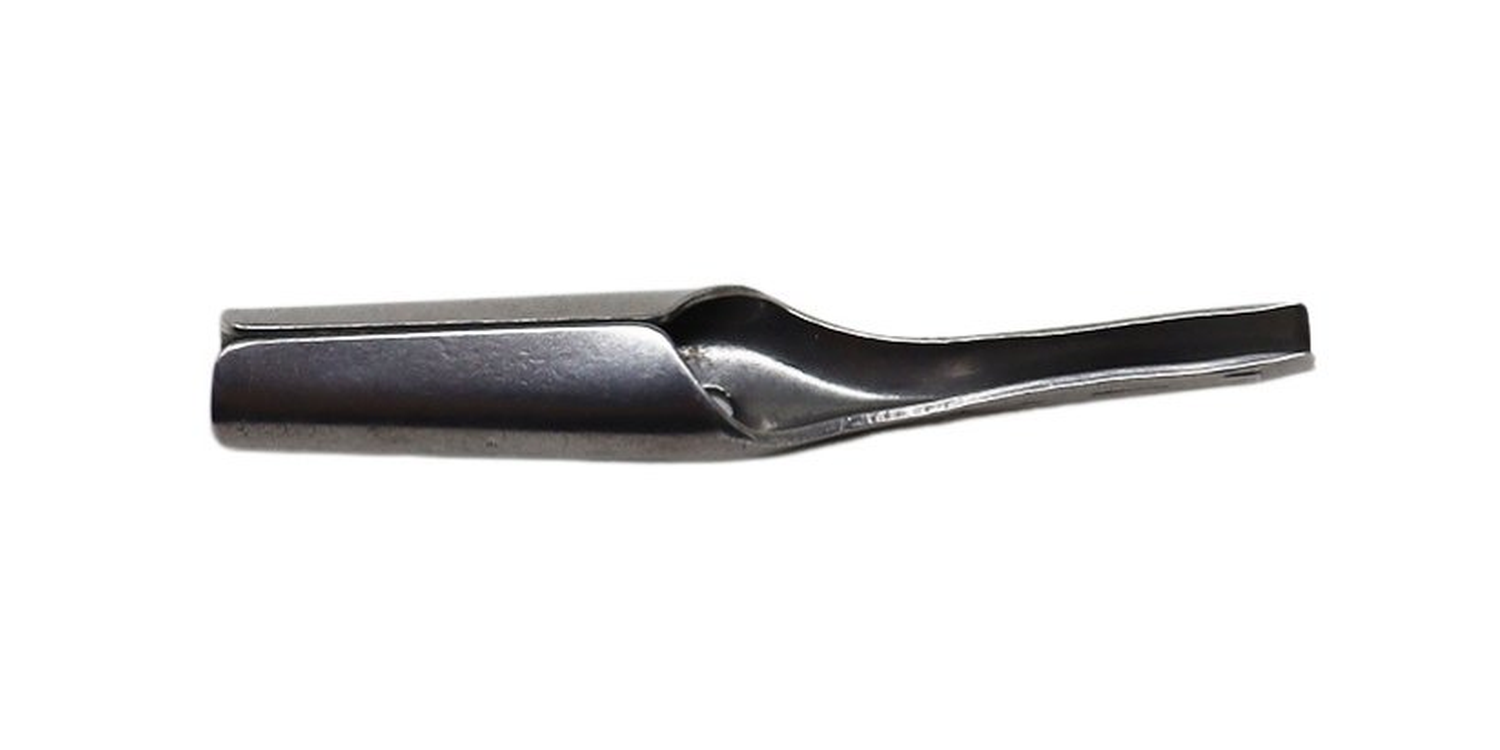
The 2mm U blade creates a soft, rounded line of even width. It sits just a step up from the V blade in terms of the mark it makes — where the V blade tapers to a point, the U blade produces a consistent, smooth groove from start to finish.
Best for:
- Soft lines and flowing curves
- Lines where you want consistent width throughout
- Organic shapes and natural textures
Tips for use: The 2mm U blade is a natural next step after the V blade. If you find your V blade lines feel too sharp or precise for what you're drawing, switch to this one. The rounded channel gives your marks a slightly softer quality that works particularly well for botanical subjects, landscape details, and anything with movement.
Nib 3: The U Blade 3mm
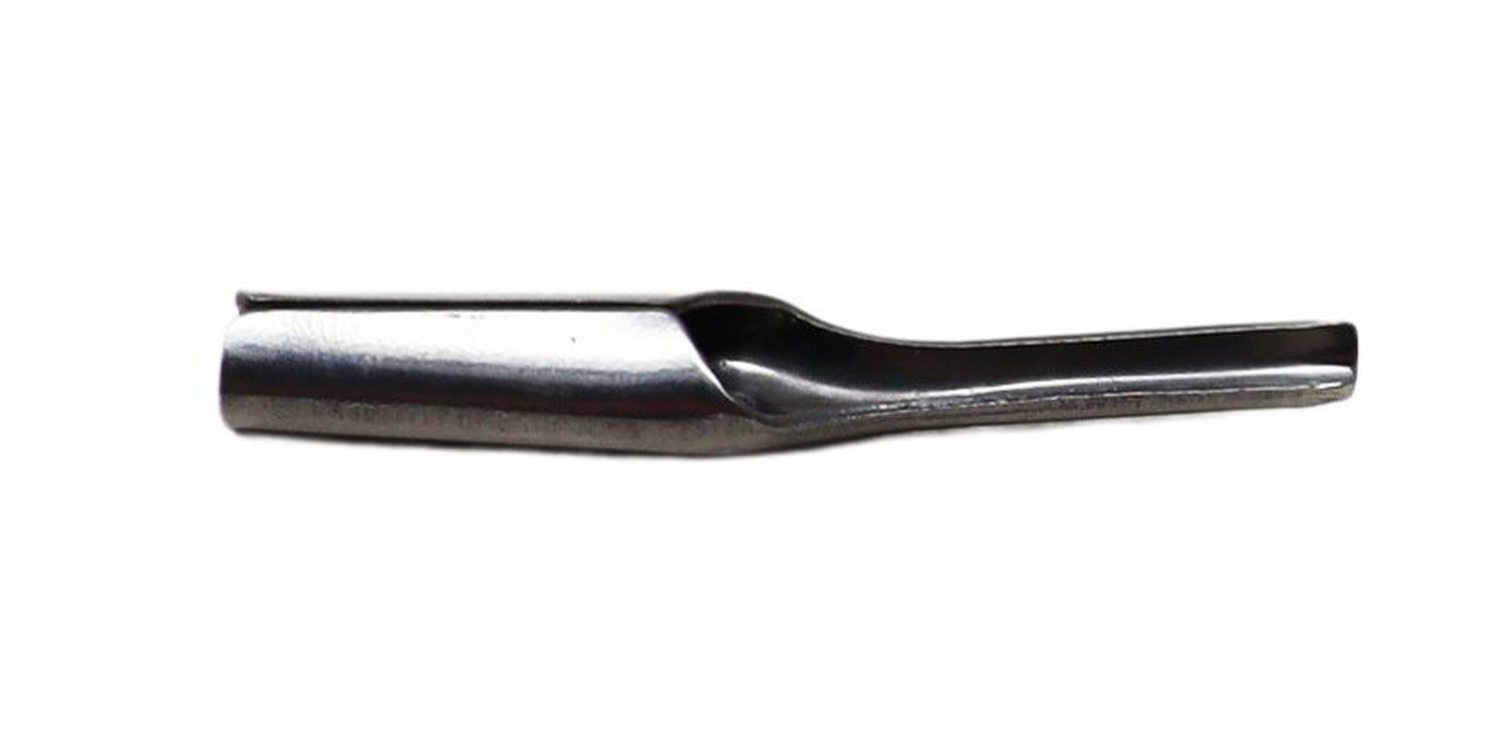
Step up to the 3mm U blade when you need a medium line width with a bit more presence. It removes slightly more material than the 2mm, making it well suited for cutting shapes and defining areas of your design with a confident, clear line.
Best for:
- Cutting and defining shapes
- Medium line work where the 2mm feels too delicate
- Building structure into a composition before clearing larger areas
Tips for use: Think of the 3mm U blade as the middle ground between the detail nibs and the clearing nib. It's versatile enough for both line work and light area clearing, which makes it one of the most-used nibs in the set once you're comfortable with the basics.
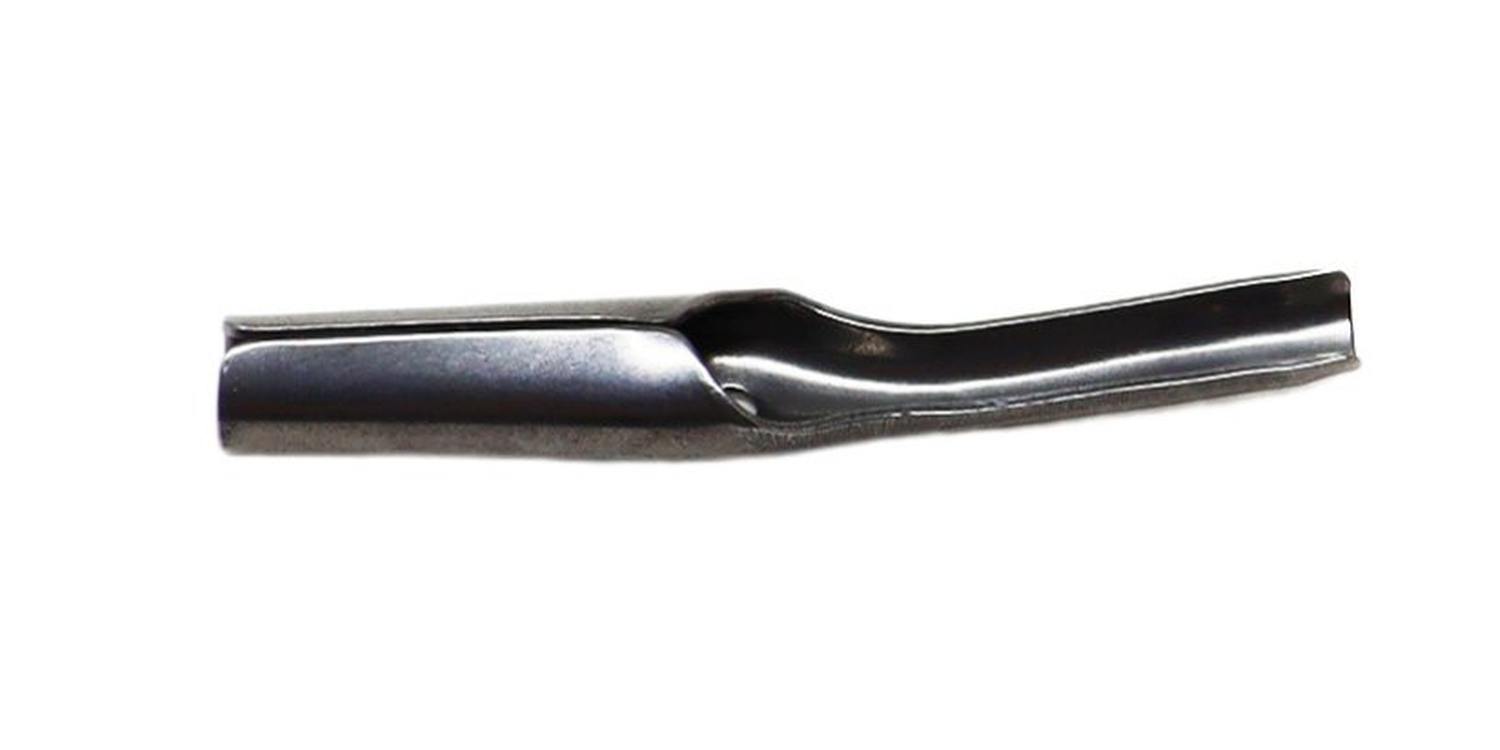
Nib 4: The U Blade 4mm
The U Blade 4mm is your go-to nib for clearing areas of lino cleanly and efficiently. Its wider, scooped profile removes material in broad sweeps, which is essential when you want a large section of your design to print as a clean white space.
Best for:
- Clearing large background areas
- Open, unprinted spaces in bold graphic designs
- Removing lino quickly where detail isn't required
Tips for use: This is the nib that will save you the most time. When you need to clear a large section, don't try to do it with a fine nib. Switch to the U Blade 4mm and work in overlapping strokes. Don't worry about the marks being perfect; if you're inking and printing correctly, cleared areas won't show.
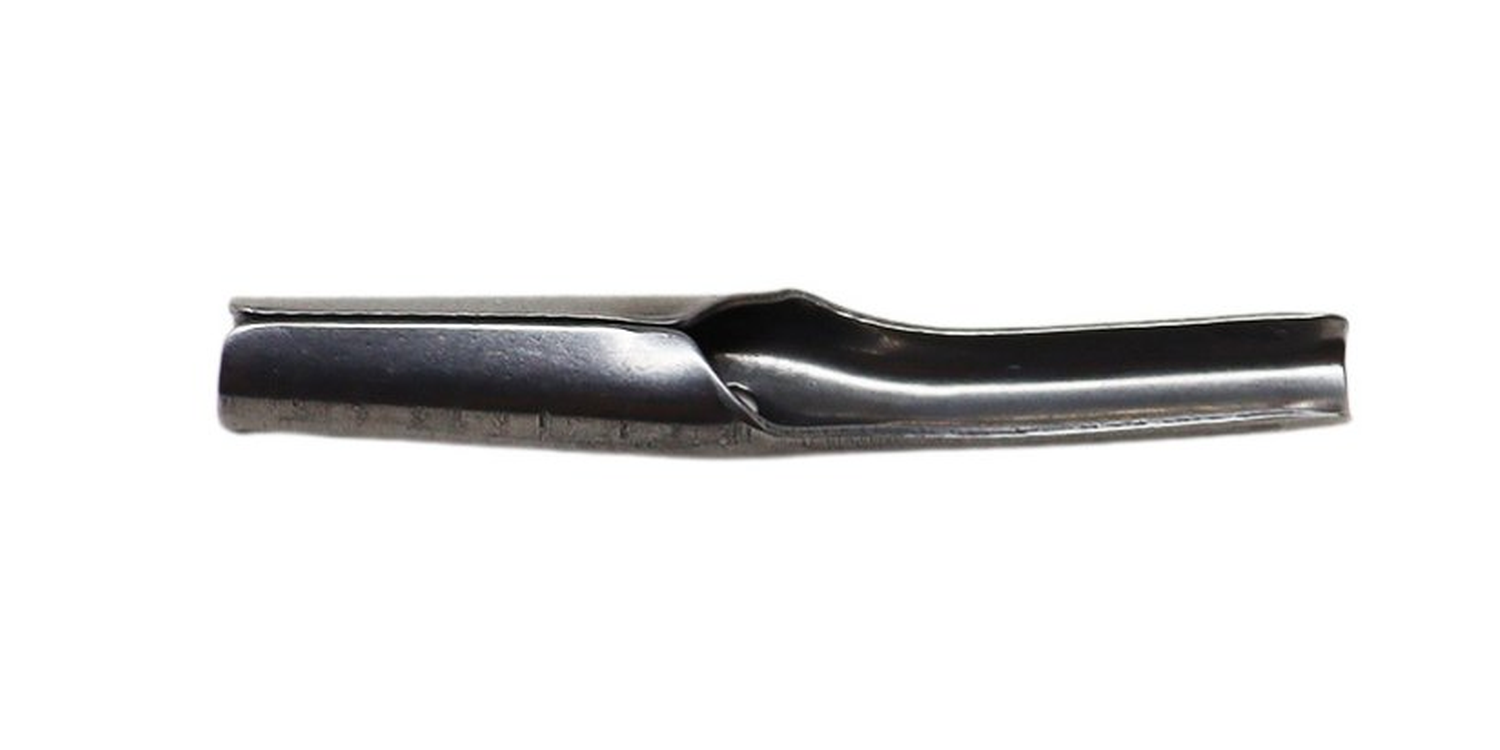
Nib 5: The Cutting Knife
The cutting knife is the most versatile nib in the set, but also the one that requires the most care. Unlike the U and V blades, which scoop or channel material, the cutting knife works with a flat edge, giving you precise control for outlining, trimming, and defining hard edges.
Best for:
- Cutting clean outlines before gouging surrounding areas
- Removing very fine slivers of lino
- Correcting mistakes and tidying up edges
- Straight-edged geometric shapes
Tips for use: The cutting knife works in two ways: dragging to score a line, or pressing down to make a controlled cut. Always cut away from yourself and keep the blade angle shallow to avoid digging too deep. It's the nib that rewards patience most of all.
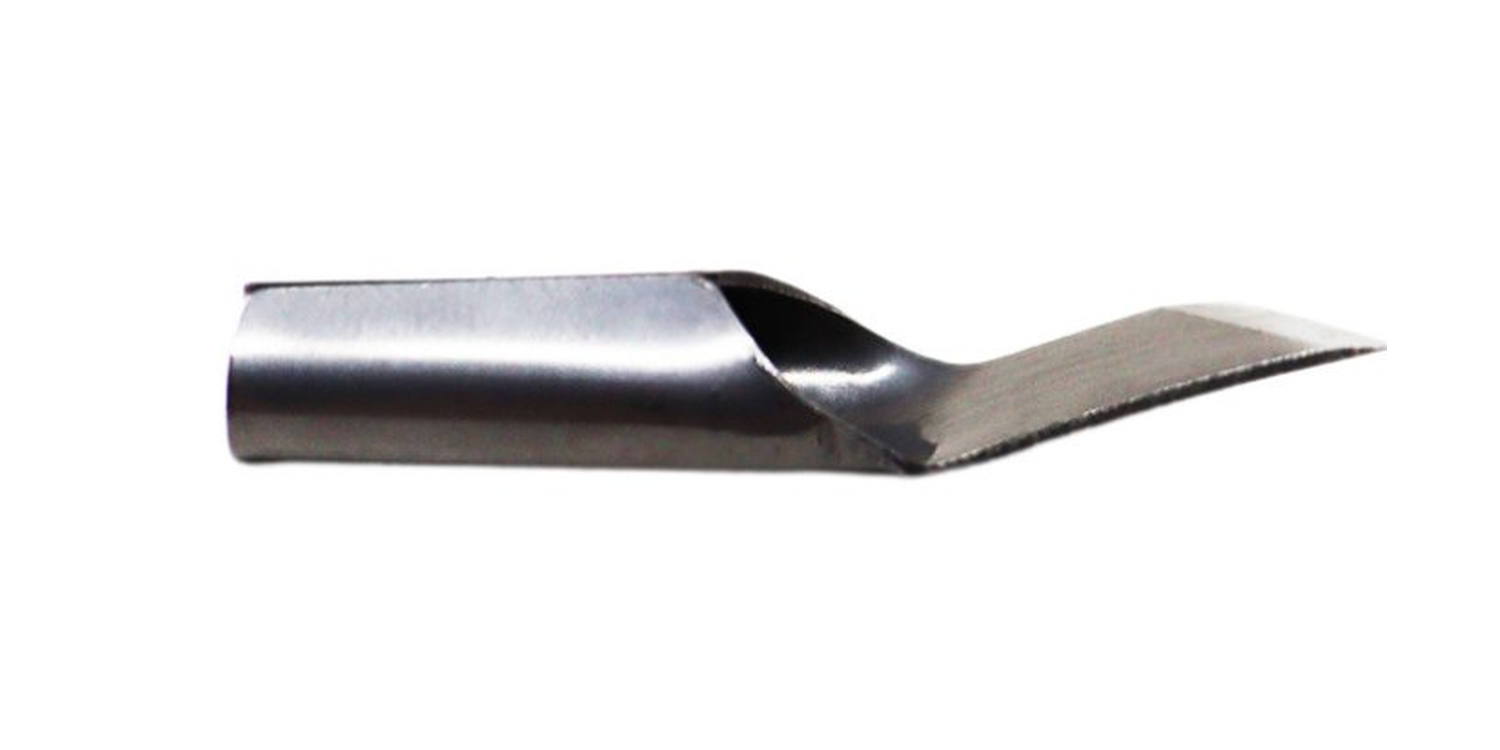
A Note on the Beechwood Handle
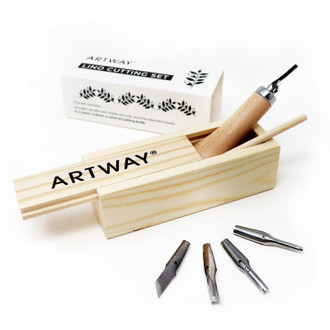
The set comes complete with a beechwood handle and all five nibs. The handle is designed to feel balanced and comfortable during longer carving sessions, something you'll appreciate once you're an hour into a detailed block.
To change nibs, use the wooden blade remover included in the set. Push it through the hole at the base of the handle and the nib will release cleanly from the slot. To fit a new nib, press it firmly into the slot until it sits securely. Always use the blade remover to change nibs and never try to push them out by hand.
When you're done, the nibs store safely in the box the set comes in, keeping everything together and ready for next time.
Which Nib Should You Start With?
If you're new to lino cutting, start with the U Blade 4mm to get a feel for the material and how the tool moves through it. Clear a small area of a practice piece to understand the resistance, then switch to the V Blade to try cutting a precise line.
Once those two feel comfortable, the 2mm and 3mm U blades will start to make much more sense. The larger nibs build the confidence you need to get the most from the rest of the set.
Ready to Get Cutting?
You can find the Artway Lino Cutting Tool Set with 5 nibs here.
If you're just getting started, our Lino Printing: A Guide for Beginners is a practical walkthrough of the whole process from start to first print. And if you make something you're proud of, share it with us using #artwaysupplies — we love seeing what you create.
Happy carving.